

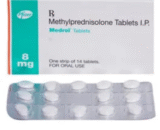



Product introduction
Beniduce 8mg Tablet belongs to a class of medicines known as calcium channel blockers. It is used to treat high blood pressure (hypertension) and prevent angina (heart-related chest pain). It lowers blood pressure and reduces the heart’s workload, which helps prevent heart attacks and strokes.
Beniduce 8mg Tablet may be prescribed alone or along with other medicines. The dose depends on what you are taking it for and the severity of your condition. You can take it at any time of the day, but it is best to take it at the same time each day. It should be taken with food. Keep taking it for as long as advised by your doctor. Do not stop this medicine on your own, even if you feel well, as high blood pressure often has no symptoms. If you stop taking it, your condition may get worse. Keeping active with regular exercise, reducing your weight, and eating a healthy diet will also help control your blood pressure.
The most common side effects include fatigue, edema (swelling in the feet or ankles), sleepiness, dizziness, flushing, rashes, headache, and unusual beating of the heart (palpitations). Consult your doctor if any of these bother you, or do not go away.
Before taking it, let your doctor know if you have any liver or kidney problems. Pregnant or breastfeeding women should also consult their doctor for advice before taking this medicine. You also need to tell your doctor what other medicines you are taking, especially those used to treat high blood pressure or heart conditions. You should have your blood pressure checked regularly to make sure that this medicine is working properly.
Uses of Beniduce Tablet
- Angina (heart-related chest pain)
- Hypertension (high blood pressure)
Benefits of Beniduce Tablet
In Angina (heart-related chest pain)
Angina causes chest discomfort when the heart does not get enough blood. Beniduce 8mg Tablet helps widen and relax the blood vessels, allowing better blood flow to the heart. This helps reduce chest pain, improves comfort during daily activities, and supports better heart function.
Side effects of Beniduce Tablet
Most side effects do not require any medical attention and disappear as your body adjusts to the medicine. Consult your doctor if they persist or if you’re worried about them
Common side effects of Beniduce
- Abdominal pain
- Edema (swelling)
- Dizziness
- Fatigue
- Headache
- Nausea
- Palpitations
- Sleepiness
- Rash
How to use Beniduce Tablet
Take this medicine in the dose and duration as advised by your doctor. Swallow it as a whole. Do not chew, crush or break it. Beniduce 8mg Tablet should be taken with or after food.
How Beniduce Tablet works
Beniduce 8mg Tablet is a calcium channel blocker. It regulates the blood pressure by relaxing the blood vessels and reducing the pressure on them, thereby making it easier for the heart to pump more blood throughout the body. In this way, it normalizes the blood pressure in patients with high blood pressure. This enhanced blood flow also improves the oxygen flow in the body, thereby, preventing any heart-related chest pain (angina).
Safety advice

Alcohol
CAUTION
Alcohol should be used with caution while taking Beniduce 8mg Tablet.

Pregnancy
CONSULT YOUR DOCTOR
Information regarding the use of Beniduce 8mg Tablet during pregnancy is not available. Please consult your doctor.

Breast feeding
CONSULT YOUR DOCTOR
Information regarding the use of Beniduce 8mg Tablet during breastfeeding is not available. Please consult your doctor.

Driving
UNSAFE
Beniduce 8mg Tablet may cause side effects that could affect your ability to drive.

Kidney
SAFE IF PRESCRIBED
Beniduce 8mg Tablet is probably safe to use in patients with kidney disease. Limited data suggest dose adjustment may not be needed.

Liver
CONSULT YOUR DOCTOR
There is limited data available on the use of Beniduce 8mg Tablet in patients with liver disease.
What if you forget to take Beniduce Tablet?
If you miss a dose of Beniduce 8mg Tablet, take it as soon as possible. However, if it is almost time for your next dose, skip the missed dose and go back to your regular schedule. Do not double the dose.
General Inquiries
There are no inquiries yet.
Related products



Customer reviews
Reviews
There are no reviews yet.
Only logged in customers who have purchased this product may leave a review.