

- 10%
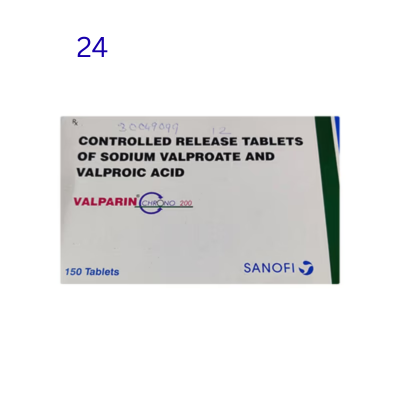
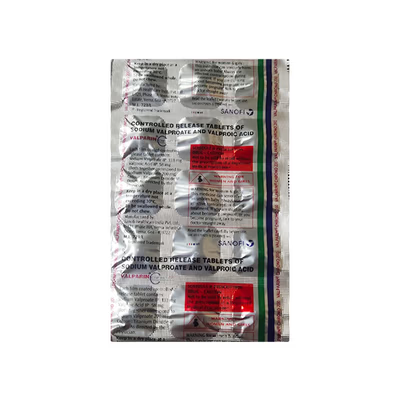
VALPARIN CHRONO 200 Tablet 15’s
Original price was: ₹144.00.₹130.00Current price is: ₹130.00.
Strictly follow the consultation of the doctor
*15 Tablet(s) in a Strip
* Country of Origin: India
* Delivery charges if applicable will be applied at checkout
without prescription medicine order could not be completed
Add to cart

How VALPARIN CHRONO 200 TABLET Works
VALPARIN CHRONO 200 TABLET works by increasing the levels of a neurotransmitter called gamma-aminobutyric acid (GABA) in the brain. This helps to reduce the abnormal electrical activity that causes seizures and other neurological problems such as bipolar disorder, and migraines.
How to use VALPARIN CHRONO 200 TABLET
Dosage and Administration:
- VALPARIN CHRONO 200 TABLET should be taken exactly as prescribed by your doctor
- The typical starting dose for epilepsy is 10-15 mg/kg per day, which is gradually increased to the required dose
- For bipolar disorder, the starting dose might be around 750 mg/day, depending on the patient’s response
- For migraines, usually the starting dose for adults is 200 mg to 400 mg per day, taken in divided doses
- It is usually taken with food to minimize stomach upset
- Swallow the tablet whole with a glass of water. Do not crush or chew it, as this may affect its effectiveness
Missed Dosage instructions for VALPARIN CHRONO 200 TABLET:
If you miss a dose of VALPARIN CHRONO 200 TABLET take it as soon as possible. However, if it is almost time for your next dose, skip the missed dose and go back to your regular schedule. Do not double the dose.
Overdosage of Sodium Valproate:
If you or anyone else accidentally takes too much of Sodium Valproate, consult your doctor immediately or visit the nearby hospital. Symptoms of overdose are nausea or vomiting, pupils of the eye becoming smaller, dizziness, loss of consciousness, weak muscles and poor reflexes, breathing problems, headaches, fits (seizures), confusion, memory loss and unusual or inappropriate behavior.
VALPARIN CHRONO 200 TABLET: Misuse or Wrong use
- If someone takes more VALPARIN CHRONO 200 TABLET than prescribed, or if the medication is taken for non-medical reasons, it is important to seek medical attention immediately
- Overuse or incorrect usage may cause side effects such as liver damage, pancreatitis (inflammation of the pancreas), cognitive dysfunctions including memory problems, confusion, and difficulty concentrating or other adverse reactions.
Side Effects Of VALPARIN CHRONO 200 TABLET
Like all medicines, VALPARIN CHRONO 200 TABLET may cause certain side effects in some individuals, although not everybody gets them.
The most common side effects of taking VALPARIN CHRONO 200 TABLET are:
- drowsiness
- weight gain
- digestive disturbances
- hair loss
- skin rashes
- nausea
- tremor
- vomiting
- headache
- upper abdominal pain
When to consult your doctor?
- Liver problems symptoms such as unusual fatigue, weakness, or malaise, yellowing of the skin or eyes (jaundice), dark urine or pale stools, upper abdominal pain or tenderness and nausea or vomiting
- Pancreatitis (inflammation of the pancreas) symptoms such as severe stomach pain, often with nausea and vomiting, fever, and rapid heart rate
- Severe Allergic Reactions symptoms such as rash, itching, or swelling (especially of the face/tongue/throat), difficulty breathing or swallowing and severe dizziness or lightheadedness
- Suicidal Thoughts or Behaviors
- Blood disorders such as unexplained bruising or bleeding, pale, or sallow skin, easy or unexplained bruising, or pinpoint red spots under the skin
- Severe Drowsiness or Mental Confusion such as difficulty staying awake or alert, trouble concentrating or thinking clearly and hallucinations or extreme confusion
- Hyperammonemia (High levels of ammonia in the blood) such as severe weakness or confusion, difficulty breathing and unusual lethargy or sleepiness
How To Manage Side Effects
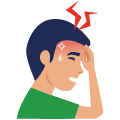
Headache
- Rest in a Quiet, Dark Room: Find a calm, quiet space away from bright lights and loud noises. Lie down and close your eyes.
- Hydrate: Dehydration can contribute to headaches, so drink plenty of water.
- Apply a Cold or Warm Compress: A cold pack on your forehead may reduce pain, or a warm compress on your neck or shoulders can relieve tension.
- Over-the-Counter Pain Relief: You can take over-the-counter pain relievers like acetaminophen or ibuprofen if appropriate for you. Follow the recommended dosage.
- Practice Relaxation Techniques: Deep breathing exercises, meditation, or gentle stretching can help reduce stress and alleviate headache symptoms.

Nausea And Vomiting
- Eat Small, Frequent Meals: Avoid heavy or greasy foods. Opt for bland foods like crackers, toast, or bananas.
- Stay Hydrated: Sip on clear fluids like water, ginger tea, or electrolyte drinks, Avoid caffeinated and carbonated beverages.
- Ginger: Ginger is a natural remedy for nausea. Try ginger tea, ginger candies, or ginger ale (ensure it contains real ginger).
- Avoid Strong Odors: Minimize exposure to smells that might trigger nausea, such as perfumes or cooking odors.
Warning & Precautions

Pregnancy
Contraindicated
Sodium Valproate is unsafe to use during pregnancy as there is definite evidence of risk to the developing baby. However, the doctor may rarely prescribe it in some life-threatening situations if the benefits are more than the potential risks. Consult your doctor.

Breastfeeding
Use with Caution
Sodium Valproate is used with caution during breastfeeding. Human studies suggest that the drug does not pass into the breastmilk in a significant amount and is not harmful to the baby. So, consult your doctor before taking this medicine.

Driving and Using Machines
Use with Caution
Do not drive or use machines while taking Sodium Valproate as it can make you feel sleepiness, decrease alertness, and vision problems.

Alcohol
Consult your doctor
Avoid consumption of alcohol during management with Sodium Valproate.

Kidney
Use with Caution
Sodium Valproate should be used with caution in patients with kidney problems. The dose will be adjusted by your doctor depending on your kidney function. Consult your doctor before taking this medicine.

Liver
Consult your doctor
Sodium Valproate should be used with caution in patients with liver disease. Dose adjustment of this medicine may be needed. Sodium Valproate is not recommended in patients with severe liver disease and active liver disease. Regular medical check-ups and blood tests are required in such patients. Consult your doctor before taking this medicine.

Allergy
Contraindicated
Do not take VALPARIN CHRONO 200 TABLET if you are allergic to Sodium valproate or any other ingredients of this medicine.

Use In Pediatrics
Use with Caution
VALPARIN CHRONO 200 TABLET should be used with caution in children. Consult your doctor before taking the medicine.

Use In Geriatrics
Use with Caution
VALPARIN CHRONO 200 TABLET should be used with caution in elderly patients (aged 75 years and above). Consult and inform your doctor before taking the medicine.
Others
VALPARIN CHRONO 200 TABLET is not recommended for use, if you have:
- porphyria
- metabolic disorder (such as urea cycle disorder)
- genetic problem caused by a mitochondrial disorder (Alpers-Huttenlocher syndrome)
Before taking VALPARIN CHRONO 200 TABLET, inform your doctor if you have:
- diabetes
- carnitine palmitoyl transferase type II deficiency
- brain disease or a metabolic condition affecting the brain
- systemic lupus erythematosus (SLE) (an immune system which affects skin, bones, joints and internal organs)
Safety Advice
- Sodium valproate can cause weight gain in some individuals, so it’s important to monitor your weight and follow a balanced diet with regular exercise.
- Grapefruit can interfere with certain medications, though it is not specifically known to affect sodium valproate, it’s always best to ask your doctor about food interactions.
- Inform your doctor if you develop fever, stomach pain, nausea or yellowing of your eyes or skin.
- Do not stop taking the medication suddenly without talking to your doctor as it may increase the seizure frequency.
Interactions
A. Drug-Drug Interactions:
Inform your physician if you are taking any of the following medicine before taking VALPARIN CHRONO 200 TABLET:
1.Antidepressants (e.g., SSRIs, Tricyclics):
Interaction: Sodium valproate can interact with certain antidepressants, potentially affecting serotonin levels.
Effect: There may be an increased risk of serotonin syndrome (a potentially fatal condition characterized by agitation, confusion, fever, and muscle rigidity), particularly with SSRIs.
2.CYP3A4 Inducers (e.g., Rifampicin):
Interaction: Rifampin can decrease the blood levels of sodium valproate by increasing its metabolism.
Effect: This may reduce the effectiveness of sodium valproate, increasing the risk of seizures or other symptoms of the underlying condition.
3.Anticoagulants (e.g.,Warfarin):
Interaction: Sodium valproate may displace warfarin from its protein-binding sites, leading to higher free levels of warfarin in the blood.
Effect: This increases the risk of bleeding or bruising due to warfarin’s anticoagulant effects.
4. Nonsteroidal anti-inflammatory drugs (NSAIDs) (e.g., Aspirin):
Interaction: Aspirin can displace sodium valproate from its protein-binding sites.
Effect: This may increase the levels of free sodium valproate in the blood, which can increase the risk of side effects such as liver toxicity or pancreatitis.
5. Antiasthmatic drug (e.g., Theophylline):
Interaction: Sodium valproate can inhibit the metabolism of theophylline, increasing its levels in the blood.
Effect: Elevated theophylline levels can lead to side effects like nausea, vomiting, and arrhythmias (irregular heart rhythms).
6. Other Anticonvulsant drug (e.g., Carbamazepine):
Interaction: Sodium valproate can decrease the metabolism of carbamazepine.
Effect: This may increase carbamazepine blood levels, raising the risk of carbamazepine-related side effects like dizziness, drowsiness, and ataxia (lack of coordination).
More Information
Duration of action
- Sodium Valproate can produce effects in immediate-release formulation generally last for about 6-12 hours, depending on the dose and the individual. In Extended-release formulation can produce effects last for up to 24 hours.
- The exact duration of action can vary depending on individual factors like metabolism, the condition being managed, and whether the person is taking other medications. Always follow the prescribed dosing schedule to ensure safety and effectiveness.
Onset of Action:
- The onset of action of sodium valproate (commonly used to manage epilepsy, bipolar disorder, and migraine management) typically occurs within 1 to 4 hours after oral administration, depending on factors such as the specific formulation (immediate-release or extended-release) and individual patient characteristics.
- For immediate-release tablets, you might begin to notice effects within 1 to 4 hours
- For extended-release formulations, the onset may be slower, with therapeutic effects taking longer to be felt.
- The exact onset of action can vary depending on individual factors like metabolism, the condition being managed, and whether the person is taking other medications. Always follow the prescribed dosing schedule to ensure safety and effectiveness.
| Weight | 11 g |
|---|
General Inquiries
There are no inquiries yet.
Related products






Customer reviews
Reviews
There are no reviews yet.
Only logged in customers who have purchased this product may leave a review.