

- 10%
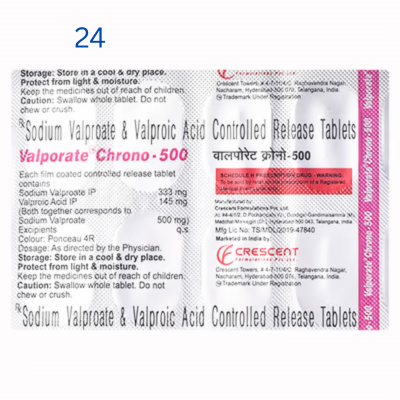

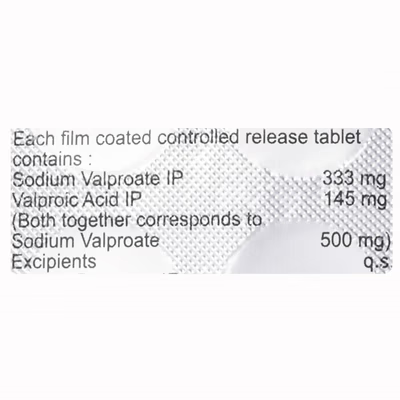
VALPORATE CHRONO 500 Tablet 10’s
Original price was: ₹92.00.₹83.00Current price is: ₹83.00.
Strictly follow the consultation of the doctor
*10 Tablet(s) in a Strip
* Country of Origin: India
* Delivery charges if applicable will be applied at checkout
without prescription medicine order could not be completed
Add to cart

Introduction About VALPORATE CHRONO 500 TABLET
VALPORATE CHRONO 500 TABLET is a combination of Sodium valproate and Valproic acid, which belong to the group of medicines called Anticonvulsant/Antiepileptic drugs. It is used to manage epilepsy in adults and children. It is also used to manage bipolar disorders. Epilepsy is an abnormal electrical activity in the brain and nervous system. The symptoms may include temporary confusion, muscle stiffness, jerky movements in legs or arms, loss of consciousness, psychological symptoms (such as anxiety or fear), etc.
VALPORATE CHRONO 500 TABLET is not recommended for use in patients with liver problems or with a family history of liver problems, porphyria (a hereditary disease that affects the skin or nervous system), blood coagulation or clotting disorders, pancreatic diseases (inflammation of the pancreas), urea cycle disorder (a genetic disorder) or Alpers-Huttenlocher syndrome (a rare disorder that affects brain, liver & muscles), etc.
VALPORATE CHRONO 500 TABLET should be used with caution in patients with kidney problems or lung diseases (such as chronic obstructive pulmonary disease) and diabetes. VALPORATE CHRONO 500 TABLET is also not recommended for use in pregnant and breastfeeding women. It should be used with caution in children (below 2 years of age). Consult your doctor before taking the medicine.
The common side effects of taking VALPORATE CHRONO 500 TABLET may include dizziness, headache, sleep disorders, clumsiness/unsteadiness, trembling of hands and arms and nervousness. Consult your doctor if any of the symptoms worsen or persist.
Uses Of VALPORATE CHRONO 500 TABLET
- Manage epilepsy
- Manage bipolar disorders
How VALPORATE CHRONO 500 TABLET Works
VALPORATE CHRONO 500 TABLET helps in managing epilepsy, where sodium valproate and valproic acid effectively increases the GABA (a neurotransmitter/chemical messenger) concentration in the central nervous system by reducing its degradation. It also blocks certain ion channels which reduce high-frequency neuronal activity in the brain, thereby reliving seizure activity.
How to use VALPORATE CHRONO 500 TABLET
Take VALPORATE CHRONO 500 TABLET as advised by your physician. Swallow the medicine with a glass of water with or after food. Do not crush or chew the medicine. Your doctor will decide the correct dose and duration for you depending on your age, body weight and disease condition.
Side Effects Of VALPORATE CHRONO 500 TABLET
Common
- headache
- sleep disorders
- clumsiness or unsteadiness
- trembling of hands and arms
- nervousness
- changing moods
- blurred vision
- ringing in ears
- deafness
- dizziness
- flu
- abdominal or stomach pain
- heartburn
- nausea and vomiting
- diarrhoea
- skin rash
- hair loss or thinning of hair
- back pain
- change in menstrual periods
- lack or loss of strength
- mental confusion
- aggression
- convulsion
- memory problems
- becoming unreactive
- bedwetting
- signs of liver damage such as skin and eyes that appear yellowish (jaundice), abdominal pain and swelling.
- signs of inflammation of the pancreas (pancreatitis) such as upper abdominal pain, abdomen tenderness, fever and rapid pulse
- signs of Fanconi syndrome (a disorder of kidney tubes) such as excessive thirst, urination, vomiting
- overgrown gum tissue
- agitation
- disturbance in attention
- abnormal behaviour
- hyperactivity
- learning disorder
Uncommon
- unusual bleeding or bruising
- abnormal dreams
- anxiety
- feeling sad
- irritability
- pain in joints
- cough
- constipation
- dry eyes
- spots before the eyes
- ear infection
- ear pain
- runny nose
- dental pain
- bloating
- muscle pains or stiffness
- tiredness
- weight gain or loss
- learning disorder
- coma
- loss of muscle control
- brittle bones and fractures
- shortness of breath
- chest pain
- blood clotting problems
Rare
Stop taking VALPORATE CHRONO 500 TABLET and contact your doctor if you experience any of the following side effects:
- signs of allergic reactions such as swelling of the face, lips, eyelids, throat and tongue, which may cause difficulty in breathing and swallowing
- signs of altered levels of ammonia in the blood characterized by vomiting, balance issues and lack of alertness
- signs of liver problems characterized by nausea, vomiting, tiredness, sleepiness, weakness, stomach pain, yellowing of the skin or whites of the eye
- signs of inflammation of the pancreas characterized by acute abdominal pain
- chest pain
- shortness of breath
- hallucinations
- suicidal thoughts
- psychosis (mental disorder causing disconnection from reality)
- toxic epidermal necrolysis (life-threatening skin disorder causing widespread skin pain, rashes, blisters, sores and crusting)
- Steven-Johnson syndrome (a skin disorder characterized by painful rashes and blisters on the skin)
- anaphylaxis (severe allergic reaction characterized by shortness of breath, fainting or fastened heartbeat)
- erythema multiforme (a skin condition characterized by raised red rashes on the skin)
- polycystic ovarian syndrome (a disorder of ovaries characterized by irregular periods, hair growth on the skin, acne and weight gain)
- brain diseases such as cerebral pseudo atrophy (loss of brain cells), encephalopathy (disease altering brain structure and functions) and coma (loss of consciousness)
- signs of thrombocytopenia (a condition marked by decreased platelet count) such as spontaneous bruising or bleeding
- signs of agranulocytosis (severe decrease of white blood cells or bone marrow failure) such as fever and breathing difficulty
- signs of anaemia (decreased red blood cell count) as weakness, dizziness, pale skin and shortness of breath
- signs of macrocytosis (abnormally increased red blood cell size) such as brittle nails, loss of weight or diarrhoea
- signs of pancytopenia (decreased blood cells and platelets) such as weakness, dizziness, pale skin and shortness of breath
- drowsiness
- change in consciousness level (including coma)
- confusion
- memory loss
- abnormal behaviour such as changes in attention, concentration, mood, hallucinations or fits of more frequency and severity
- signs of hypothyroidism (underactive thyroid gland) such as tiredness or weight gain
- signs of pleural effusion (build-up of fluid between the tissues that line the lungs and the chest) such as breathing difficulty and pain
- increase in the number and severity of convulsions
- signs of rhabdomyolysis (a disorder caused by the breakdown of muscle tissue) such as muscle pain and weakness
- signs of systemic lupus erythematosus (autoimmune disorder) such as joint pain, fever, fatigue or rash
- signs of increased ammonia in the blood, such as problems in balancing and co-ordination, feeling lethargic or less alert associated with vomiting
- shakiness (tremor)
- jerky muscle movements
- unsteadiness when walking due to parkinsonism (brain disorder), extrapyramidal disorder or ataxia (a disorder marked by impaired coordination)
- uncontrollable and rapid movement of the eyes
- signs of kidney disease such as renal failure, tubulointerstitial nephritis such as blood in the urine, fever, increased or decreased urine output, weakness, confusion
- signs of Fanconi syndrome (a disorder of kidney tubes) such as excessive thirst, urination and vomiting manifest as reduced urinary output or blood in the urine
- signs of decreased blood sodium levels such as confusion
- confusion that occurs due to decreased sodium levels in blood and syndrome of Inappropriate Antidiuretic Hormone (SIADH) secretion (a condition marked by high levels of the antidiuretic hormone that causes retention of water in the body)
How To Manage Side Effects
Headache:
Drink sufficient water and take plenty of rest. Do not skip meals. Do not take mental stress and strain your eyes. Consult your doctor if the condition persists or get worse in time.
Dizziness:
Lie down until the dizziness fades away and get up slowly. Do not attempt sudden head movements. Take adequate rest. Consult your doctor if the condition persists for long or gets worsened.
Diarrhoea:
Stay hydrated by consuming sufficient amount of water or fruit juice. Avoid taking medicine on your own to manage diarrhoea. Consult your doctor if the symptom gets worse or persist.
Constipation:
Consume healthy foods with high-fiber foods such as fresh fruit and vegetables, cereals and drink plenty of water. Maintain doing regular exercise, such as walking and running. Consult your doctor if the symptom gets worse or persist.
Nausea and vomiting:
Try to take VALPORATE CHRONO 500 TABLET with or just after a meal or a snack. Stick to simple meals. Avoid eating oily or spicy foods. Consult your doctor if the symptom get worse.
| Weight | 12 g |
|---|
General Inquiries
There are no inquiries yet.
Related products







Customer reviews
Reviews
There are no reviews yet.
Only logged in customers who have purchased this product may leave a review.