

- 10%
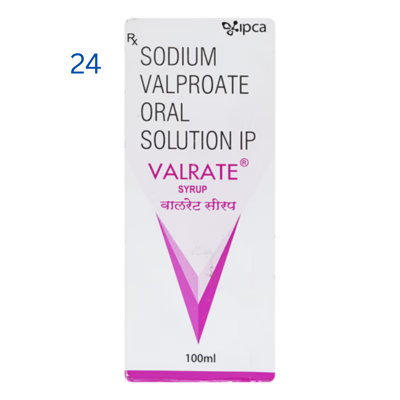
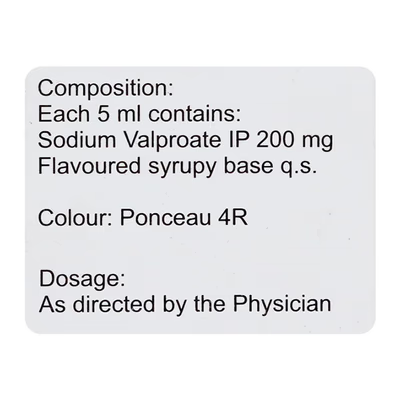
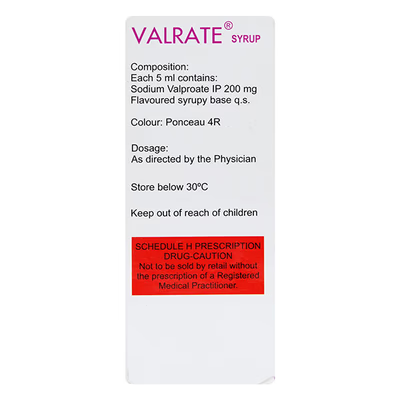
Valrate Syrup 100ml
Original price was: ₹72.00.₹65.00Current price is: ₹65.00.
Strictly follow the consultation of the doctor
* Country of Origin: India
* Delivery charges if applicable will be applied at checkout
without prescription medicine order could not be completed
Add to cart

Introduction About VALRATE SYRUP
VALRATE SYRUPcontains Sodium valproate, which belongs to the group of medicines called Anti-convulsant. It is used in the management of epilepsy (fits). Epilepsy is a central nervous system (neurological) disorder in which brain activity becomes abnormal, causing seizures or periods of unusual behavior, sensations and sometimes loss of awareness. Symptoms include temporary confusion, staring spells, stiff muscles, uncontrollable jerking movements of the arms and legs, loss of consciousness or awareness, fear, anxiety, or déjà vu.
VALRATE SYRUP is not recommended for use if you have porphyria (affecting metabolism), liver problems or Alpers-Huttenlocher syndrome. Before taking VALRATE SYRUP inform your doctor if you have kidney, brain problems, carnitine palmitoyl transferase type II deficiency, diabetes, systemic lupus erythematosus, urea cycle disorder or a genetic problem caused by a mitochondrial disorder in your family.
Do not consume alcohol while taking VALRATE SYRUP. VALRATE SYRUP is not recommended or used by pregnant women. Inform your doctor if you are a breastfeeding mother. VALRATE SYRUP should be used with caution by children. The most common side effects of taking VALRATE SYRUP are stomach pain, diarrhea, headache, feeling tired and weight gain. Consult your doctor if symptoms become worse while taking VALRATE SYRUP.
Uses Of VALRATE SYRUP
- Manage epilepsy (fits)
How VALRATE SYRUP Works
VALRATE SYRUP increases concentrations of gamma-aminobutyric acid (GABA) which reduces neuronal excitability by inhibiting nerve transmission in the brain, probably due to inhibition of the enzymes responsible for the breakdown of GABA.
How to use VALRATE SYRUP
Take VALRATE SYRUP as advised by your physician. Take the medicine by mouth, dilute it only if your doctor tells you to. Measure the suggested dose using the measuring cup and take it with or after food. Your doctor will decide the right dose and duration depending on your age, body weight and disease condition.
Side Effects Of VALRATE SYRUP
Common
- stomach pain, feeling or being sick
- diarrhea
- dry or sore mouth, or swollen gums
- shakes (tremors) in a part of your body, or unusual eye movements
- feeling tired or sleepy
- headache
- weight gain
- thinning hair, or changes to the color or texture of your hair
- irregular or delayed periods
Rare
Stop taking VALRATE SYRUP and contact your doctor immediately if you experience any of the following side effects:
- thoughts of harming or killing yourself
- an allergic reaction (rash, joint pain, fever (systemic lupus erythematosus), swallowing or breathing problems, swelling of your lips, face, throat or tongue, lymph node enlargement and possible impairment of other organs
- liver problems and problems of the pancreas may show as a sudden illness (feeling and being sick many times; being very tired, sleepy and weak, stomach pain, jaundice, loss of appetite, swelling of legs, worsening of fits
- skin rash or skin lesions with a pink/red ring and a pale center which may be itchy, scaly or filled with fluid (on the palms or soles of your feet, can be erythema multiforme)
- blistering or bleeding of the skin around the lips, eyes, mouth, nose and genitals, flu-like symptoms and fever (Stevens-Johnson syndrome)
- severe blistering rash where layers of the skin may peel off to leave large areas of raw exposed skin over the body, unwell, fever, chills, and aching muscles (toxic epidermal necrolysis)
- bruising more easily and getting more infections than usual (thrombocytopenia), blood clotting problems
- changes in mood, loss of memory, lack of concentration and coma
- hypothyroidism, which may cause tiredness or weight gain
- breathing difficulty and pain due to inflammation of the lungs
- changes in behavior including being very alert, and sometimes also aggressive, hyperactive and unusual or inappropriate behavior
- changes in the amount of ammonia in the blood (being sick, problems with balance and co-ordination, feeling lethargic or less alert)
- feeling shaky (tremor), sleepy or unsteady when walking or jerky muscle movements.
- rapid, uncontrollable movement of the eyes
- increase in the number and severity of convulsions
- liver damage, inflammation of the pancreas, bedwetting, renal dysfunction, overgrowth of gum tissue, aggression, agitation, disturbance in attention, abnormal behavior, hyperactivity and learning disorder in children
How To Manage Side Effects
Stomach pain:
Try to rest and relax. Eat and drink slowly. Keep a heating pad. Consult your doctor if any of your symptoms get worse or persist.
Diarrhoea:
Drink lots of water or fruit juice to keep yourself hydrated. Consult your doctor if any of your symptoms get worse or persist.
Feeling or being sick:
Stick to simple meals. Avoid eating oily or spicy meals. Consult your doctor if any of your symptoms get worse or persist.
Headache:
Avoid bright lights, take enough rest and drink more water. Consult your doctor if any of your symptoms get worse or persist.
Warning & Precautions

Pregnancy
VALRATE SYRUPis not recommended for use in pregnant women or if you are planning to have a baby as it can cause birth defects and behavioral/learning problems in the baby. Consult your doctor before taking VALRATE SYRUP.

Breastfeeding
Inform your doctor if you are breastfeeding before taking VALRATE SYRUP as very little medicine might pass through the breastmilk. Consult your doctor if you can breastfeed or not take the medicine during the> management.

Driving and Using Machines
Do not drive or use machines while taking VALRATE SYRUP as it can make you feel sleepy.

Alcohol
Do not consume alcohol while taking VALRATE SYRUP as it can worsen the side effects.

Kidney
VALRATE SYRUP should be used with caution in patients with kidney disease. Consult your doctor before taking VALRATE SYRUP.

Liver
VALRATE SYRUP is not recommended for use in patients with liver problems or with a family history of liver disease. Consult your doctor before taking VALRATE SYRUP.

Allergy
Do not take VALRATE SYRUP if you are allergic to Sodium valproate or any other ingredients of this medicine.
Others
VALRATE SYRUP is not recommended for use if you:
- have a rare illness called porphyria which affects metabolism
- have a known metabolic disorder, i.e., a urea cycle disorder
- have a genetic problem caused by a mitochondrial disorder (Alpers-Huttenlocher syndrome)
- are a woman of birth-giving age and not using contraceptives (birth control)
Before taking VALRATE SYRUP, inform your doctor if you:
- have diabetes
- have a carnitine palmitoyl transferase type II deficiency
- have a brain disease or a metabolic condition affecting the brain
- have a ‘urea cycle disorder’ where too much ammonia builds up in the body
- have an illness called systemic lupus erythematosus (SLE) (an immune system which affects skin, bones, joints and internal organs)
- genetic problem caused by a mitochondrial disorder in your family
Use in pediatrics:
VALRATE SYRUP should be used with caution by children. Consult your doctor for advice.
Use in geriatrics:
VALRATE SYRUP should be used with caution by the elderly. Consult your doctor for advice.
Interactions
A. Drug-Drug interactions:
Before taking VALRATE SYRUP, inform your doctor if you are taking any of the following medicine:
- medicines used for pain and inflammation (salicylates) (Ex. aspirin)
- other medicines used to manage fits (Ex. phenobarbital, primidone, phenytoin, carbamazepine, rufinamide, topiramate, acetazolamide, lamotrigine and felbamate)
- medicines used for thinning the blood (Ex. warfarin)
- zidovudine, lopinavir and ritonavir (to manage HIV infection)
- temozolomide (to manage cancer)
- medicines for depression (monoamine oxidase inhibitors (MAOI) such as moclobemide, selegiline, linezolid)
- medicines used to calm emotional and mental health problems (Ex. quetiapine, diazepam and olanzapine)
- nimodipine (to manage hemorrhage)
- propofol (used for anesthesia)
- oestrogen-containing products (including some birth control pills)
- medicines to manage malaria (Ex. mefloquine and chloroquine)
- cimetidine (for stomach ulcers)
- carbapenem agents (antibiotics used to manage bacterial infections) Ex. imipenem, meropenem, rifampicin and erythromycin
- cholestyramine used to lower blood fat (cholesterol) levels
- metamizole (to manage pain and fever)
Overdosage:
If you or anyone else accidentally take too much of VALRATE SYRUP, consult your doctor immediately or visit the nearby hospital. Symptoms of overdose are feeling sick or being sick, pupils of the eye becoming smaller, dizziness, loss of consciousness, weak muscles and poor reflexes, breathing problems, headaches fits (seizures), confusion, memory loss and unusual or inappropriate behavior, shortness of breath and chest pain.
| Weight | 156 g |
|---|
General Inquiries
There are no inquiries yet.
Related products







Customer reviews
Reviews
There are no reviews yet.
Only logged in customers who have purchased this product may leave a review.