


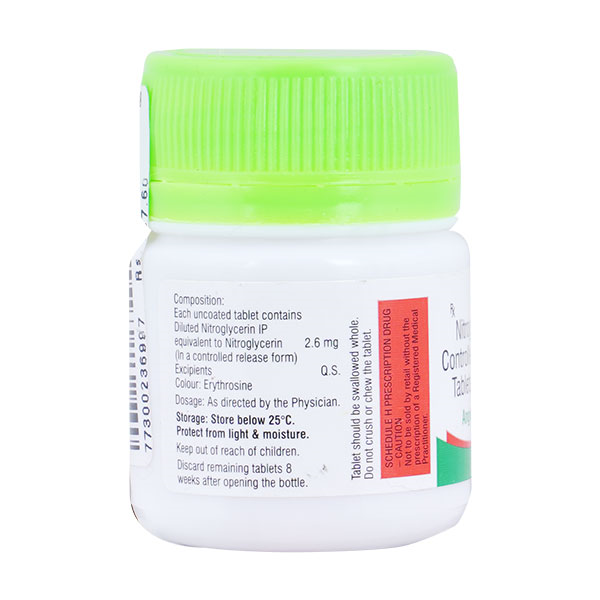
Angiwell 2.6mg Tablet 30’S
₹271.13
कॉम्पोज़िशन:
नाइट्रोग्लिसरीन (2.6mg)
मार्केटर की जानकारी:
Corona Remedies Pvt Ltd
Add to cart

Introduction About ANGIWELL 2.6MG TABLET
ANGIWELL 2.6MG TABLET contains Nitroglycerine that belongs to the group of medicines called Vasodilators. It is used for management of angina pectoris due to coronary artery disease.
Angina is a type of chest pain which is caused by reduced blood flow to the heart as a result of coronary artery disease. Symptoms are feeling pressure, squeezing, heaviness, tightness or pain in the chest or a heavy weight is lying on the chest.
Along with ANGIWELL 2.6MG TABLET your doctor may advise you to make certain lifestyle changes such as quitting alcohol and smoking, eating a healthy diet, manage weight and to improve your sleep pattern.
ANGIWELL 2.6MG TABLET is not recommended for use in patients having heart diseases (hypertrophic obstructive cardiomyopathy), anaemia, raised pressure in head, raised pressure in the eye (glaucoma), or are taking medicines to manage erectile dysfunction (sildenafil, vardenafil, tadalafil.
ANGIWELL 2.6MG TABLET should be used with caution in patients having liver or kidney diseases, underactive thyroid gland, low body temperature, malnourishment, abnormally low levels of oxygen in blood, very low blood pressure, low blood volume, disease of the blood vessels supplying the brain, or conditions that lower blood volume in the heart.
ANGIWELL 2.6MG TABLET should be used with caution in pregnant and breast-feeding women. Take your doctor’s advice before taking the medicine. ANGIWELL 2.6MG TABLET is not recommended for use in children. ANGIWELL 2.6MG TABLET should be used with caution in elderly patients.
The most common side effects of taking ANGIWELL 2.6MG TABLET are throbbing headache, spinning sensation, dizziness, drowsiness, lack of energy. Consult your doctor if the symptoms worsen or doesn’t improve.
Uses Of ANGIWELL 2.6MG TABLET
- It is used for management of angina pectoris due to coronary artery disease
How ANGIWELL 2.6MG TABLET Works
ANGIWELL 2.6MG TABLET causes relaxation of smooth muscles within blood vessels which leads to relaxation and widening of blood vessels. This improves blood supply to the heart muscles. As a result, it helps to relieve chest pain and blood pressure.
How to use ANGIWELL 2.6MG TABLET
Always use ANGIWELL 2.6MG TABLET exactly as prescribed by your doctor.
For Tablet, Capsule: Swallow ANGIWELL 2.6MG TABLET with a glass of water. Do not crush or chew the medicine.
For Sublingual Tablet: Place ANGIWELL 2.6MG TABLET inside your mouth, below the tongue and allow it to dissolve completely. Do not swallow or chew the medicine.
Your doctor will decide the correct dose and duration of therapy for you depending upon your age, body weight and severity of disease condition. Continue to take ANGIWELL 2.6MG TABLET for the stipulated duration prescribed by your doctor to achieve better results.
Side Effects Of ANGIWELL 2.6MG TABLET
Common
- throbbing headache
- spinning sensation
- fall in blood pressure when seated or standing up
- dizziness, drowsiness
- lack of energy
Uncommon
- fainting
- facial flushing
- nausea, vomiting
- localised burning sensation
- tongue blistering
- circulatory collapse
Rare
- restlessness
- heartburn
- bad breath, red, itchy, or flaky skin, skin rash
Stop taking ANGIWELL 2.6MG TABLET and contact your doctor immediately if you experience any of the following side effects:
- worsening of angina symptoms, chest pain
- signs of hypoxaemia (low levels of oxygen in blood) (difficulty breathing, increased rate of breathing)
- signs of methemoglobinemia (breathing problems, tiredness, headache)
- difficulty breathing, bluish discolouration of the lips, fingers or toes (cyanosis)
- rapid or slowed heartbeat
- blindness in one eye
- cerebral ischaemia (impaired blood flow to brain) which may cause weakness in one leg or arm, or weakness in one entire side of the body
- difficulty speaking, slurred speech
- loss of coordination, loss of consciousness
- allergic skin reactions
How To Manage Side Effects
Nausea:
Take this medicine with or after meals. Stick to simple meals while taking this medicine. Avoid eating rich or spicy food. Do not consume any medication by yourself. Take your doctor’s advice if nausea doesn’t improve or worsen.
Headache:
Try to take rest and do not involve yourself in exertive activities. Rest in a quiet and dark room. Apply a pain-relieving balm on your forehead. Take your doctor’s advice if headache doesn’t improve.
Vomiting:
Drink clear or ice-cold drinks. Eat bland, light foods and avoid fried, oily, or sweet foods. Avoid carbonated drinks. Take your doctor’s advice if vomiting doesn’t improve.
Dizziness:
Lie, or sit down immediately when you feel dizzy. If you’re feeling severe episode of spinning(vertigo), lie in a dark and quite place with eyes closed. Try to avoid vehicle driving. Take your doctor’s advice if dizziness doesn’t improve.
Drowsiness:
Take adequate sleep. Do not involve in rigorous activities. Do not interfere with your sleep cycle. Talk to your doctor if the drowsiness doesn’t improve.
Warning & Precautions

Pregnancy
ANGIWELL 2.6MG TABLET should be used with caution in pregnant women. Consult your doctor before taking ANGIWELL 2.6MG TABLET.

Breastfeeding
ANGIWELL 2.6MG TABLET should be used with caution in breastfeeding women. Consult your doctor before taking ANGIWELL 2.6MG TABLET.

Driving and Using Machines
Do not drive or operate any machines if you feel dizzy after taking ANGIWELL 2.6MG TABLET.

Alcohol
Avoid consumption of alcohol during the management with ANGIWELL 2.6MG TABLET as it may increase some effects of the medicine.

Kidney
ANGIWELL 2.6MG TABLET should be taken with caution in patients with severe kidney disease. Consult your doctor before taking it.

Liver
ANGIWELL 2.6MG TABLET should be used with caution in patients with severe liver disease. Consult your doctor before taking it.

Allergy
Do not take ANGIWELL 2.6MG TABLET if you are allergic to Nitroglycerine or any other components of this medicine.

Heart Disease
ANGIWELL 2.6MG TABLET is not recommended for use in patients having heart diseases such as hypertrophic obstructive cardiomyopathy (thickening of heart muscles). ANGIWELL 2.6MG TABLET should be used with caution in patients having other heart diseases such as have had a recent heart attack, narrowing of heart valves, inflammation of heart, heart failure or fluid build-up around the heart. Consult your doctor before taking ANGIWELL 2.6MG TABLET.
Others
ANGIWELL 2.6MG TABLET is not recommended for use if you:
- have anaemia
- have raised pressure in head (including that caused by an accident)
- bleeding on brain (pain in eyes, changes in vision, bad headache behind the eyes)
- raised pressure in the eye
Before taking ANGIWELL 2.6MG TABLET inform your doctor if you have:
- underactive thyroid gland
- low body temperature
- malnutrition (poor nutrition due to digestion problem or imbalanced diet)
- abnormally decreased levels of oxygen in the blood
- severely low blood pressure
- low blood volume
- conditions that lower the blood volume in the heart
- cerebrovascular diseases (diseases affecting the blood vessels supplying the brain)
Use in paediatrics:
ANGIWELL 2.6MG TABLET is not recommended for use in children. Ask for the advice of your child’s doctor before giving it to your child.
Use in geriatrics:
ANGIWELL 2.6MG TABLET should be used with caution in elderly patients. Ask for your doctor’s advice before taking the medicine.
Interactions
A. Drug-Drug interactions:
Before taking ANGIWELL 2.6MG TABLET, inform your doctor if you are taking any of the following medicine:
- medicines for erectile dysfunction (male impotence) (Ex. sildenafil, vardenafil, tadalafil)
- medicines used to manage paracetamol overdose (Ex. n-acetylcysteine)
- medicines for migraine (Ex. ergotamine)
- other nitrates used to manage heart diseases (Ex. isosorbide dinitrate, isosorbide mononitrate, disopyramide), high blood pressure (Ex. ramipril, atorvastatin)
- medicines used for thinning your blood and manage blood clots (Ex. warfarin)
- medicines used to manage Parkinson’s disease (Ex. apomorphine)
- medicines used to manage stomach ulcers (Ex. propantheline)
- medicines used to manage anxiety and depression (Ex. amitriptyline, isocarboxazid)
Overdosage:
If you or anyone else uses too much of ANGIWELL 2.6MG TABLET, consult your doctor immediately or visit the nearby hospital. Symptoms of overdosage of ANGIWELL 2.6MG TABLET may include nausea, low blood pressure, restlessness, fainting, blue coloration of the skin, methaemoglobin in the blood, breathing difficulties, lack of oxygen in tissues, slow heartbeat or mental illness
General Inquiries
There are no inquiries yet.
Related products





Customer reviews
Reviews
There are no reviews yet.
Only logged in customers who have purchased this product may leave a review.