

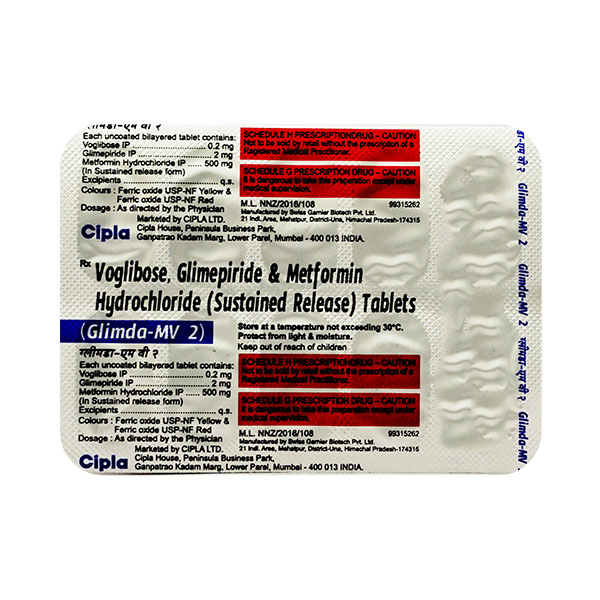


Glimda MV 2mg Tablet 10’S
₹180.00
*10 Tablet(s) in a Strip
* Mkt: Cipla Ltd
* Country of Origin: India * Delivery charges if applicable will be applied at checkout
Add to cart

INTRODUCTION ABOUT GLIMDA MV 2MG TABLET
GLIMDA
MV 2MG TABLET is a combination of Glimepiride, Metformin and Voglibose,
which belongs to the group of medicines called Antidiabetic agents.
GLIMDA MV 2MG TABLET is used in adults to manage type 2 diabetes
mellitus when diet, exercise, and single-agent or second-line therapy
with two drugs are insufficient to adequately control blood sugar
levels.
GLIMDA MV 2MG TABLET is not recommended for use in
patients allergic to glimepiride, metformin, voglibose, and/or other
sulfonylureas or sulphonamides. It is also not recommended for use in
patients with acute conditions (such as dehydration or severe
infection), severe ketosis (a severe complication of diabetes), severe
trauma, lung problems (such as acute or chronic respiratory failure),
heart problems (such as acute or chronic cardiac failure or recent
myocardial infarction), and/or severe kidney or liver problems.
Before
taking GLIMDA MV 2MG TABLET, inform your doctor if you recently had
trauma and/or have febrile infections, fever, uncontrolled diabetes,
hypothyroidism (underactive thyroid), chronic intestinal disease, fever,
or other kidney or liver problems.
GLIMDA MV 2MG TABLET is not
recommended for use in pregnant and breastfeeding women since it may
cause harm to the developing foetus or nursing child.
GLIMDA MV
2MG TABLET is also not recommended for use in children and adolescents
(aged below 18 years) and is advised to be used with caution in elderly
patients (aged 75 years or older) after consulting the doctor.
The
most common side effects of GLIMDA MV 2MG TABLET are nausea and
vomiting, diarrhea, abdominal pain, loss of appetite, metallic taste,
and/or hypoglycemia (low blood sugar). Consult your doctor if any of
these side effects worsen.
USES OF GLIMDA MV 2MG TABLET
- To
manage type 2 diabetes mellitus in adults when diet, exercise, and a
single agent or second line of therapy with two drugs are insufficient
to adequately control blood sugar levels
HOW GLIMDA MV 2MG TABLET WORKS
GLIMDA
MV 2MG TABLET is used to manage type 2 diabetes mellitus, where
glimepiride lowers blood glucose levels by increasing the amount of
insulin released by the pancreas. Metformin works by decreasing glucose
production in the liver and the amount of glucose absorbed by the
stomach and intestine. It also helps to restore the body’s response to
insulin, and voglibose works by inhibiting the alpha-glucosidase enzyme,
which breaks down complex carbohydrates into simple sugars. Thus,
voglibose slows down the digestion and absorption of carbohydrates in
the small intestine. This leads to a reduction in blood glucose levels
in individuals with type 2 diabetes mellitus.
DIRECTIONS FOR USE
Take
GLIMDA MV 2MG TABLET as advised by your physician. Swallow the medicine
with a glass of water. Do not crush or chew the medicine. Your doctor
will decide the correct dose and duration for you depending on your age,
body weight, and disease condition.
SIDE EFFECTS OF GLIMDA MV 2MG TABLET
COMMON
- nausea, vomiting, diarrhea, abdominal pain, and loss of appetite
- metallic taste
- hypoglycaemia (low blood sugar)
RARE
- signs of hypersensitivity reactions (immune-mediated allergic reactions) such as rash, itching
- headache
- anaemia, thrombocytopenia (low platelet count), and leucopenia (low white blood cell count)
Stop taking GLIMDA MV 2MG TABLET and contact your doctor immediately if you experience any of the following side effects:
- severe hypoglycemia (very low blood sugar level)
- signs
of lactic acidosis (lactic acid built up in the bloodstream) such as
exhaustion or extreme fatigue, body weakness, diarrhea, and/or headache - signs
of an allergic, pseudo-allergic, or hypersensitivity reaction such as
itching, rash, red itchy welts, shortness of breath, and/or low blood
pressure
HOW TO MANAGE SIDE EFFECTS

Diarrhea
Drink
plenty of water and stay hydrated. Try to avoid taking any medicine on
your own to manage diarrhea. Consult and inform your doctor if the
symptoms worsen.

Nausea And Vomiting
Take
GLIMDA MV 2MG TABLET with or just after a meal. Stick to simple meals.
Avoid eating oil-rich or spicy foods, sugary snacks, and drinks. Avoid
drinking too much liquid along with your meals, drink slowly in between
meals. Inform your doctor if the condition worsens.
WARNING & PRECAUTIONS

PREGNANCY
Contraindicated
GLIMDA
MV 2MG TABLET is not recommended for use during pregnancy since it may
cause harm to the foetus. Consult your doctor before taking GLIMDA MV
2MG TABLET.

BREASTFEEDING
Contraindicated
GLIMDA
MV 2MG TABLET is not recommended for use in breastfeeding women since
the medicine may pass through breast milk and may cause harm to the
nursing child. Consult your doctor before taking GLIMDA MV 2MG TABLET.

DRIVING AND USING MACHINES
Contraindicated
Do
not drive or operate any machines if you experience impaired alertness
or reactions (due to hypoglycemia) while taking GLIMDA MV 2MG TABLET.

ALCOHOL
Contraindicated
Do not consume alcohol while taking GLIMDA MV 2MG TABLET since it may reduce your blood sugar level.

KIDNEY
Consult your doctor
GLIMDA
MV 2MG TABLET is not recommended in patients with severe renal failure.
It should be used with caution in patients with other kidney diseases.
Consult your doctor before taking the medicine.

LIVER
Consult your doctor
GLIMDA
MV 2MG TABLET is not recommended for use in patients with severe liver
disease. It should be used with caution in patients with other liver
diseases. Consult your doctor before taking the medicine.

ALLERGY
Contraindicated
Do
not take GLIMDA MV 2MG TABLET if you are allergic to glimepiride,
metformin, voglibose, other sulfonylureas/sulphonamides, and/or any
other ingredients of this medicine.

LUNGS
Contraindicated
GLIMDA
MV 2MG TABLET is not recommended for use in patients with lung problems
such as acute or chronic respiratory failure. Consult your doctor
before taking GLIMDA MV 2MG TABLET.

HEART DISEASE
Contraindicated
GLIMDA
MV 2MG TABLET) is not recommended in patients with heart problems such
as acute or chronic cardiac failure or recent myocardial infarction.
Consult your doctor before taking GLIMDA MV 2MG TABLET.

USE IN PEDIATRICS
Contraindicated
GLIMDA
MV 2MG TABLET is not recommended for use in children and adolescents
(aged below 18 years) since the safety and effectiveness of the medicine
are not established. Consult your doctor before taking GLIMDA MV 2MG
TABLET.

USE IN GERIATRICS
Use with Caution
GLIMDA
MV 2MG TABLET should be used with caution in elderly patients (aged 65
years and above). Consult your doctor before taking GLIMDA MV 2MG
TABLET.
OTHERS
GLIMDA MV 2MG TABLET is not recommended for use if you:
- suffer
from any acute type of metabolic acidosis (the buildup of excess acid
in the body), such as lactic acidosis, diabetic ketoacidosis, and/or
diabetic precoma - suffer from acute conditions such as dehydration, severe infection, and shock
- have severe ketosis (a severe complication of diabetes)
- are in a state of diabetic coma
- had severe infections before or after the operation
- had severe trauma
- have gastrointestinal obstruction
Before taking GLIMDA MV 2MG TABLET, inform your doctor if you:
- recently had trauma
- had or scheduled for any surgery
- suffer from febrile infections, fever, and/or uncontrolled diabetes
- are undernourished and/or have irregular mealtimes or skipped meals
- suffer from an imbalance between physical exertion and carbohydrate intake
- have hypothyroidism (underactive thyroid)
- have
a history of laparotomy (a surgical incision done into the abdominal
cavity for diagnosing a condition) and/or ileus (interrupted movement of
the intestines) - suffer from chronic intestinal disease (accompanied by disturbances in digestion and absorption)
- suffer from fever
INTERACTIONS
A. Drug- Drug interactions:
Before taking GLIMDA MV 2MG TABLET, inform your doctor if you are taking any of the following medicines:
- medicine
used to manage bacterial infections (Ex. rifampicin, ciprofloxacin,
clarithromycin, sulfacetamide, minocycline, and chloramphenicol) - medicine used to manage fungal infections (Ex. fluconazole, isavuconazole, and miconazole)
- oral antidiabetics and insulin (medicines used to manage high blood sugar) Ex. glipizide, glyburide diazoxide
- medicines used to manage cancer (Ex. cyclophosphamide, trofosfamide, vandetanib, crizotinib, olaparib)
- disopyramide (medicine used to manage an irregular heartbeat)
- fenyramidol (a medicine used to relax muscles)
- pentoxifylline (a medicine used to improve blood flow through the arteries)
- medicine used to manage joint pain (Ex. phenylbutazone, oxyphenbutazone, and probenecid sulfinpyrazone)
- azapropazone (a medicine used to manage fertility)
- tritoqualine (a medicine used to manage allergies)
- acetazolamide (a medicine used to manage glaucoma)
- corticosteroids (medicines used to manage inflammation) Ex. prednisolone, methylprednisolone
- diuretics (medicine used to manage water retention in the body) Ex. furosemide
- adrenaline (a medicine used to manage serious diseases such as shock)
- glucagon (a medicine used to manage severe low blood sugar)
- laxatives (medicines used to manage constipation): Ex. bisacodyl
- nicotinic acid (medicine used to manage niacin deficiency)
- anabolic steroids (synthetic male sex hormones) Ex. testosterone
- phenothiazines (medicine used to manage mental illness) Ex. chlorpromazine
- phenytoin and fenfluramine (medicines used to manage seizures)
- H2 receptor antagonists (medicine used to manage acidity and heartburn) Ex. cimetidine ranitidine
- trimethoprim (used to manage urinary tract infections)
- ranolazine (medicine used to manage chest pain)
- dolutegravir (a medicine used to manage HIV infection)
- cimetidine (used to manage ulcers)
- verapamil (used to manage irregular heartbeats)
- epinephrine (used in emergencies to manage life-threatening allergic reactions)
- fibrate derivatives (used to lower high triglyceride levels) Ex. clofibrate, fenofibrate
- medicine used to manage depression, such as monoamine oxidase inhibitors (Ex. phenelzine, selegiline)
- salicylates (medicine used to manage pain) Ex. aspirin
- medicine used to manage high blood pressure, such as alpha blockers (Ex. doxazosin, prazosin
- anticoagulants (medicines used to manage the clotting of blood), Ex. warfarin
Overdosage:
If
you or anyone else accidentally takes too much of GLIMDA MV 2MG TABLET,
consult your doctor immediately or visit the nearby hospital. Symptoms
of overdose are hypoglycemia (low blood sugar), lactic acidosis,
pancreatitis (inflammation of the pancreas), abdominal discomfort,
and/or diarrhea.
SYNOPSIS
| Drug | : | Glimepiride, Metformin, Voglibose |
| Pharmacological Category | : | Antidiabetic Agents |
| Therapeutic Indication | : | Type 2 diabetes mellitus |
| Dosage Forms | : | Tablet |
MORE INFORMATION
- Keep GLIMDA MV 2MG TABLET out of reach of children
- Do not store GLIMDA MV 2MG TABLET above 25°C
FAQs ABOUT GLIMDA MV 2MG TABLET
Q: What is GLIMDA MV 2MG TABLET used for?
A:
GLIMDA MV 2MG TABLET is used in adults to manage type 2 diabetes
mellitus when diet, exercise, and single-agent or second-line therapy
with two drugs are insufficient to adequately control blood sugar
levels.
Q: How does GLIMDA MV 2MG TABLET work?
A:
GLIMDA MV 2MG TABLET is used to manage type 2 diabetes mellitus, where
glimepiride lowers blood glucose levels by increasing the amount of
insulin released by the pancreas. Metformin works by decreasing glucose
production in the liver and the amount of glucose absorbed by the
stomach and intestine. It also helps to restore the body’s response to
insulin, and voglibose works by inhibiting the alpha-glucosidase enzyme,
which breaks down complex carbohydrates into simple sugars. Thus,
voglibose slows down the digestion and absorption of carbohydrates in
the small intestine. This leads to a reduction in blood glucose levels
in individuals with type 2 diabetes mellitus.
Q: What are the side-effects of GLIMDA MV 2MG TABLET?
A:
The most common side-effects of GLIMDA MV 2MG TABLET are nausea and
vomiting, diarrhea, abdominal pain, loss of appetite, metallic taste,
and/or hypoglycemia (low blood sugar). Consult your doctor if any of
these side effects worsen.
Q: How do I take GLIMDA MV 2MG TABLET?
A:
Take GLIMDA MV 2MG TABLET as advised by your physician. Swallow the
medicine with a glass of water. Do not crush or chew the medicine. Your
doctor will decide the correct dose and duration for you depending on
your age, body weight, and disease condition.
Q: What happens if GLIMDA MV 2MG TABLET is taken at more than its required dosage?
A:
If you or anyone else accidentally takes too much of GLIMDA MV 2MG
TABLET, consult your doctor immediately or visit the nearby hospital.
Symptoms of overdose are hypoglycemia (low blood sugar), lactic
acidosis, pancreatitis (inflammation of the pancreas), abdominal
discomfort, and/or diarrhea.
| Weight | 17.5 g |
|---|
Shipping Policy
free shipping
Refund Policy
no refund
General Inquiries
There are no inquiries yet.
Related products





Customer reviews
Reviews
There are no reviews yet.
Only logged in customers who have purchased this product may leave a review.