


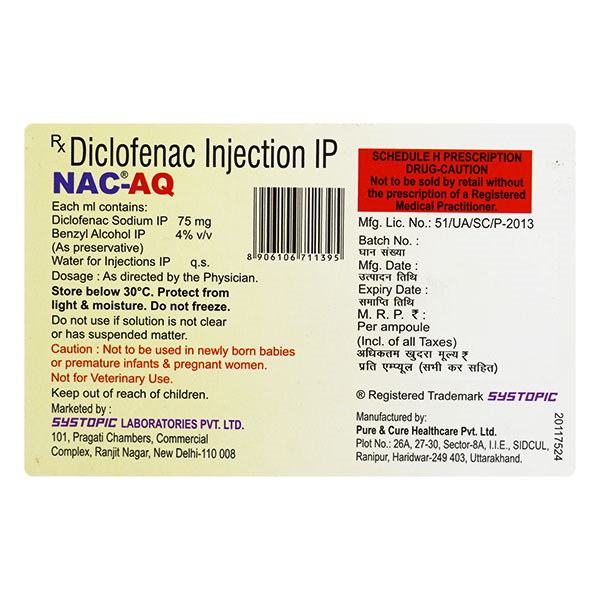
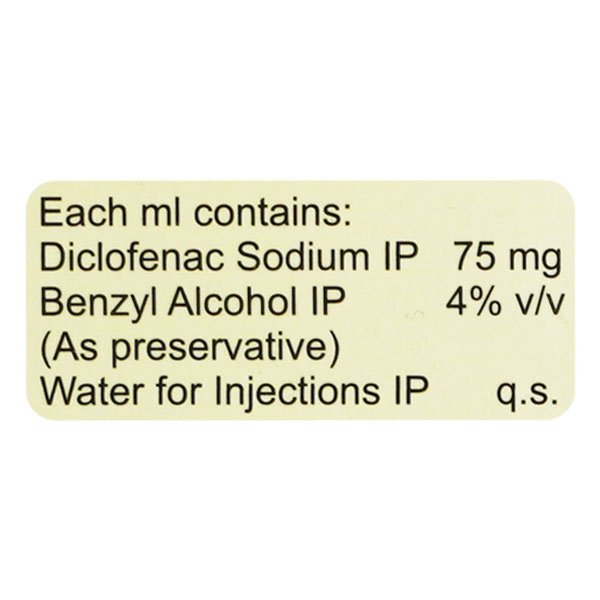
NAC AQ Injection 1ml
₹16.88
Mkt: Systopic Laboratories Pvt Ltd
* Country of Origin: India
* Delivery charges if applicable will be applied at checkout
Add to cart

Introduction About NAC AQ
NAC
AQ contains Diclofenac, which belongs to a group of medicines called
Nonsteroidal anti-inflammatory drugs (NSAIDs). NAC AQ is used to manage
various painful conditions such as flare-ups of joint or back pain, gout
attacks (a common and complex form of arthritis that is characterized
by sudden, severe attacks of pain, swelling, redness, and tenderness in
one or more joints), pain caused by kidney stones or due to injuries,
fractures, or trauma. It is also used to manage or manage pain following
an operation.
Before receiving NAC AQ, inform your doctor if
you have any allergies, heart, liver, or kidney problems, clotting
disorders, high blood pressure, diabetes, or any respiratory conditions;
gastrointestinal problems such as stomach ulcers, ulcerative colitis,
or Crohn’s disease; and bleeding in the stomach with symptoms such as
black stools or blood in vomit.
NAC AQ is not recommended for use
in pregnant women, especially if you are more than 6 months pregnant,
and it should be used with caution in breast-feeding women only if
clearly advised by the doctor. NAC AQ is not recommended for use in
children and adolescents (below 18 years of age). It should be used with
caution in elderly patients.
The common side effects of
receiving NAC AQ are nausea and discomfort, pain, redness, or lumps at
the site of injection. Inform your doctor if any of the side effects get
worse.
Uses Of NAC AQ
Manages painful conditions such as:
- Flare-ups of joint or back pain
- Gout attacks
- Pain caused by kidney stones or injuries, fractures, or trauma
- Pain following an operation
How NAC AQ Works
NAC
AQ works by inhibiting the activity of certain enzymes (called
cyclooxygenase (COX) enzymes), which manage the excess production of
prostaglandins (which is responsible for causing pain and inflammation),
thus helping in managing various painful conditions.
How to use NAC AQ
NAC
AQ will be given to you only by a doctor or a nurse into a muscle
(usually into buttocks as an intramuscular injection) or under the skin
(usually into buttocks or thighs as a subcutaneous injection) or into a
vein (usually in the upper arm as an intravenous injection). Your doctor
will decide the correct dose and duration of NAC AQ for you depending
upon your age, body weight, and disease condition.
Side Effects Of NAC AQ
Common
- Pain, redness, or lumps at the injection site
- Nausea
- Discomfort in the injection site
Uncommon
- Dizziness and headache
- Diarrhoea, vomiting and constipation
- Stomach pain, sickness, and loss of appetite due to an inflammatory stomach lining
- Problems in liver function
- Skin rash, itching
Rare
Inform your doctor immediately if you experience any of the following side effects while receiving NAC AQ:
- Signs of bleeding in the stomach or intestine (bleeding while emptying your bowel, blood in vomit, black or tarry stools)
- Persistent sore throat or high temperature
- Sudden change in urine production and colour
- Signs
of severe allergic reactions (skin rash, swelling of the face, throat,
or tongue, breathing difficulties, wheezing, and runny nose) - Yellowing of the skin or white of the eyes
- Chest pain due to a serious allergic reaction called Kounis syndrome
- Serious
skin rashes with itching, hives, bruising, painful red areas, peeling
or blistering of skin, giant wheals (burning itchy swollen skin),
affecting the mouth, lips, eyes, nose, and genitals. - Bruising more easily than usual or having frequent sore throats or infections.
- Severe stomach pain or persistent problem with indigestion, heartburn, wind, and nausea or vomiting
- Mild
cramping or tenderness of the abdomen, followed by rectal bleeding or
bloody diarrhea (usually within 24 hours of the onset of abdominal pain)
How To Manage Side Effects

Constipation
Try
to eat more high-fiber foods such as fresh fruit, vegetables, and
cereals, and drink plenty of water. If this does not help, inform your
doctor about receiving alternate management for constipation.

Diarrhea
Drink
a lot of fluids, such as water, to keep yourself hydrated. Avoid eating
high-fat or spicy foods. Inform your doctor if the symptom gets worse.

Headache
Drink
an ample amount of water and avoid skipping meals. Get adequate rest.
Try to be relaxed and stress-free. Apply pain-relieving balm on your
forehead if necessary. Inform your doctor if the symptom does not
improve.

Nausea And Vomiting
Stick
to simple meals while receiving NAC AQ. Avoid eating oily, rich, fried,
or spicy foods. Do not lie down or sleep immediately after eating.
Inform your doctor if the symptom does not improve.

Stomach Pain
Try
to rest and relax. Eat and drink slowly, or try to have smaller and
more frequent meals. Keep a heat pad on your stomach. If the symptom
does not improve, inform your doctor.
Warning & Precautions

Pregnancy
Risky
NAC
AQ is not recommended for use during pregnancy, especially if you are
more than 6 months pregnant, as it may affect the baby’s circulation or
damage the baby’s kidney and may delay or prolong your labour. Your
doctor may make a decision whether to continue the use of NAC AQ if you
are pregnant or planning to get pregnant. Consult your doctor before
receiving NAC AQ, as it may make it more difficult to get pregnant
during management with this medicine.

Breastfeeding
Monitoring required
NAC
AQ should be used in breastfeeding women only if clearly advised by the
doctor. Therefore, consult your doctor before receiving NAC AQ.

Driving and Using Machines
Contraindicated
Do not drive or operate any machines if you feel dizzy, tired, sleepy, or have blurred vision after receiving NAC AQ.

Kidney
Consult your doctor
NAC
AQ is not recommended for patients having or having had severe kidney
failure and moderate or severe impairment in kidney function. It should
be used with caution in patients having or having ever had kidney
problems. Consult your doctor for advice before receiving NAC AQ.

Liver
Consult your doctor
NAC
AQ is not recommended for use in patients having or having had liver
failure. It should be used with caution in patients with liver problems.
Consult your doctor for advice before receiving NAC AQ.

Allergy
Contraindicated
NAC
AQ is not recommended for use if you are allergic to diclofenac,
aspirin, ibuprofen, or any other non-steroidal anti-inflammatory drugs
(NSAIDs) (such as indomethacin).

Lungs
Consult your doctor
NAC
AQ is not recommended for use in patients with history of asthma. It
should be used with caution in patients with chronic obstructive
pulmonary disease (COPD) or hay fever. Consult your doctor for advice
before receiving NAC AQ.

Heart Disease
Consult your doctor
NAC
AQ is not recommended for use in patients with severe heart failure,
heart disease, or cerebrovascular disease such as heart attack, stroke,
mini-stroke (TIA), or blockages to blood vessels to the heart or brain
or who have had an operation to clear or bypass blockages and
cerebrovascular bleeding. It should be used with caution in patients
with angina, blood clots, high blood pressure, raised cholesterol, or
raised triglycerides. Consult your doctor for advice before receiving
NAC AQ.

Use In Pediatrics
Contraindicated
NAC AQ is not recommended for use in children and adolescents (below 18 years of age). Consult the child’s doctor for advice.

Use In Geriatrics
Use with Caution
NAC
AQ should be used with caution in elderly patients. Your doctor may
initiate the management with the lowest effective dose. Consult your
doctor for advice before receiving NAC AQ.
Others
NAC AQ is not recommended for use if you:
- Have a history of bleeding in your stomach or bowels after you have taken NSAIDs
- Had two or more episodes of stomach or duodenal ulcers or bleeding in the digestive tract
- Have a blood clotting disorder
- Have a history of bleeding diathesis (specifically cerebrovascular bleeding)
- Had operation with high risk of haemorrhage
- Are dehydrated
- Have suffered from heavy blood loss
| Weight | 20 g |
|---|
General Inquiries
There are no inquiries yet.
Related products



Customer reviews
Reviews
There are no reviews yet.
Only logged in customers who have purchased this product may leave a review.